

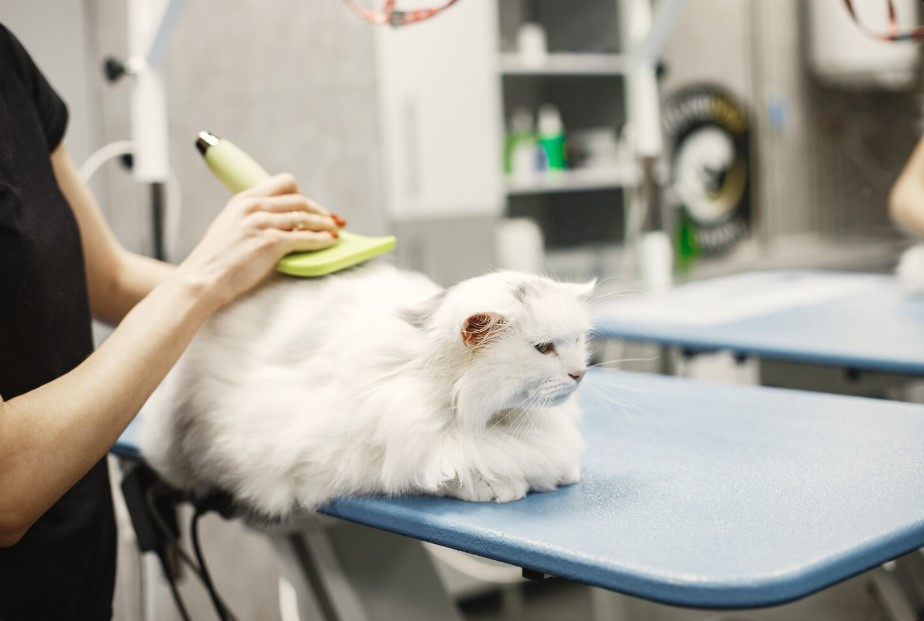
Keeping your cat clean is essential—but unlike dogs, cats are naturally self-groomers. That’s why many pet parents often wonder: How often should you actually use cat shampoo? Overbathing or underbathing can both impact your cat’s skin, coat health, and overall comfort.
In this complete guide, we’ll break down grooming frequency, expert tips, and practical advice to help you keep your feline fresh, healthy, and stress-free.
Understanding Your Cat’s Natural Grooming Behavior
Cats are incredibly clean animals. In fact, they spend nearly 30–50% of their waking hours grooming themselves. Their tongues act like natural brushes, removing dirt, loose hair, and even parasites.
Why Cats Groom Themselves:
-
Removes dirt and debris
-
Distributes natural skin oils
-
Helps regulate body temperature
-
Reduces odors
Because of this self-cleaning system, frequent bathing with cat shampoo is usually unnecessary—and sometimes harmful.
How Often Should You Use Cat Shampoo?
The ideal bathing frequency depends on several factors such as breed, lifestyle, and health condition.
General Guideline:
-
Indoor cats: Every 6–8 weeks (or even less frequently)
-
Outdoor cats: Every 4–6 weeks
-
Hairless breeds (like Sphynx): Every 1–2 weeks
-
Long-haired cats: Every 4–6 weeks (to prevent matting)
Overusing even the best cat shampoo can strip away natural oils, leading to dryness and irritation.
Factors That Affect Bathing Frequency
1. Breed Type (Best Cat Breeds Matter!)
Different best cat breeds have different grooming needs:
-
Persian cats: Require regular baths due to long fur
-
Maine Coons: Need occasional bathing for coat maintenance
-
Sphynx cats: Need frequent baths due to oil buildup
2. Coat Length
-
Long-haired cats trap more dirt and oils
-
Short-haired cats usually need less bathing
3. Lifestyle
-
Outdoor cats encounter dirt, parasites, and pollutants
-
Indoor cats stay cleaner and need fewer baths
4. Health Conditions
Cats with:
-
Skin allergies
-
Flea infestations
-
Medical treatments
may require medicated cat shampoo more frequently (as per vet advice).
Signs You’re Bathing Your Cat Too Often
Even if your intentions are good, too much bathing can cause harm.
Watch Out For:
-
Dry, flaky skin
-
Dull or brittle coat
-
Excessive shedding
-
Increased scratching
If you notice these signs, reduce bathing frequency and switch to a gentler best cat shampoo formula.
How to Choose the Right Cat Shampoo
Choosing the right product is just as important as frequency.
Look For:
-
pH-balanced formulas (for cats)
-
Natural ingredients like oatmeal or aloe vera
-
Hypoallergenic options for sensitive skin
-
Flea & tick control (if needed)
Avoid:
-
Human shampoos
-
Harsh chemicals or artificial fragrances
Using a high-quality best cat shampoo ensures safe and effective cleaning without damaging your pet’s skin.
Step-by-Step: How to Bathe Your Cat Properly
Bathing a cat can be challenging, but with the right approach, it becomes manageable.
Step-by-Step Guide:
-
Prepare everything in advance (towel, shampoo, lukewarm water)
-
Brush your cat to remove tangles
-
Use lukewarm water only
-
Apply shampoo gently (avoid eyes and ears)
-
Rinse thoroughly to prevent residue
-
Dry with a soft towel
Pro Tip: Stay calm and speak softly to reduce your cat’s anxiety.
Alternatives to Frequent Bathing
If your cat hates water (most do!), there are alternatives:
Try These:
-
Cat grooming wipes
-
Dry shampoos
-
Regular brushing
-
Spot cleaning dirty areas
These methods help maintain cleanliness without overusing cat shampoo.
Grooming Tips for Healthy Cats
Here are some essential grooming practices beyond bathing:
Daily/Weekly Care:
-
Brush your cat regularly
-
Check for fleas or ticks
-
Clean ears gently
-
Trim nails every 2–3 weeks
Monthly Care:
-
Evaluate coat condition
-
Bathe only if necessary
Consistent grooming reduces the need for frequent bathing and keeps your cat stress-free.
Expert Insight: Less Is More
Veterinarians often emphasize that cats don’t need frequent baths unless there’s a specific reason. Overbathing can disrupt the natural balance of oils that protect their skin.
Instead of focusing only on bathing, prioritize the following:
-
Nutrition
-
Regular brushing
-
Clean environment
This holistic approach ensures your cat stays clean naturally.
Special Cases: When You Should Bathe More Often
You may need to use cat shampoo more frequently in these situations:
-
After exposure to toxic substances
-
Severe flea infestations
-
Skin infections (with medicated shampoo)
-
Elderly or obese cats who can’t groom themselves properly
Always consult a veterinarian before increasing bathing frequency.
Final Thoughts
When it comes to using cat shampoo, the key is balance. Cats are naturally equipped to keep themselves clean, so bathing should only be done when necessary. Understanding your cat’s breed, lifestyle, and health condition will help you determine the right grooming routine.
By choosing the best cat shampoo, following proper techniques, and incorporating regular grooming habits, you can ensure your feline friend stays happy, healthy, and fresh—without unnecessary stress.
FAQs
1. How often should I use cat shampoo on an indoor cat?
Most indoor cats only need a bath every 6–8 weeks or even less, depending on cleanliness.
2. Can I use human shampoo on my cat?
No, human shampoos are not suitable for cats, as they disrupt their skin’s pH balance.
3. What is the best cat shampoo for sensitive skin?
Look for hypoallergenic formulas with natural ingredients like oatmeal or aloe vera.
4. Do all cats need regular baths?
No, many cats can stay clean through self-grooming and only need occasional baths.
5. What if my cat hates water?
Use alternatives like dry shampoo, wipes, or regular brushing to maintain hygiene.
